
By Sheila Serup, MBA
The upcoming World Hearing Day re-ignites the importance of safe listening and focuses on the prevention of hearing loss. With its 2022 theme, “To hear for life, listen with care,” World Hearing Day creates awareness of how to listen safely. Recently, innovative technology has emerged that support safe listening levels.
The World Health Organization (WHO) estimates that up to a billion young people worldwide could be at risk for hearing loss due to current listening practices. It believes that among young adults and teens aged 12 to 35 in middle- and high-income families, nearly 50% are exposed to unsafe levels of sound from use of personal audio devices. And around 40% are exposed to potential damaging sound levels at clubs, discos, and bars.
Noise-induced hearing loss (NIHL) is preventable, but once it is incurred, it is irreversible. The Hearing Loss Association of America and the American Speech-Language-Hearing Association notes that one in eight children and teens aged 6-19, and one in four adults aged 20-69 are estimated to have NIHL.
Know the Safe Levels for Listening:
Sounds that are 70 decibels (dBA) or lower are safe to listen to for extended periods of time. Everyday sounds can be grouped at levels such as:
- 70 dBA: Group conversations, alarm clocks.
- 60 dBA: typical conversations, dishwasher, clothes drying.
- 50 dBA: moderate rainfall.
- 40 dBA: a quiet room.
- 30 dBA: a whisper, quiet library.
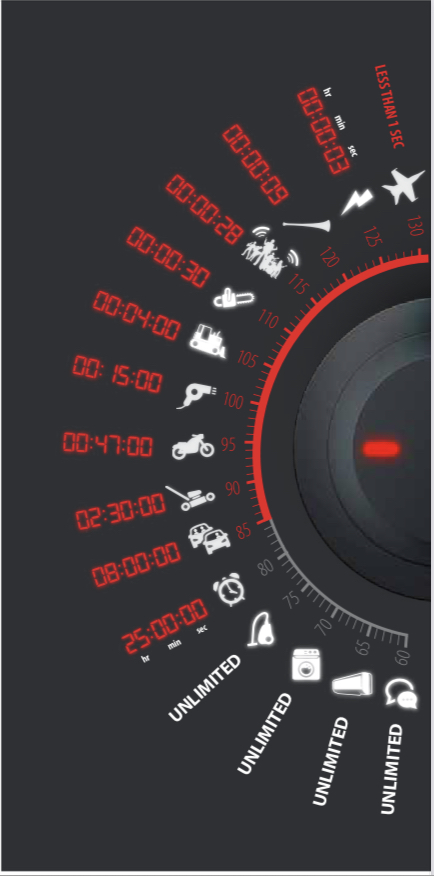 Sounds that are 80 dBA (for adults) or 75 dBA (for children) for more than eight hours a day may lead to hearing loss. Sounds that would exceed safe listening levels of 70 dBA are:
- 94 dBA: hair dryer, blender, or food processor;
- 106 dBA: snow blower, leaf blower;
- 112 dBA: maximum output of some MP3 players, rock concert; or
- 120 dBA: siren, jet plane taking off.
Suggestions for safe listening are made easier to follow thanks to several technological innovations, now available at little or no cost.
What you can do to protect your hearing:
- Wear hearing protection (earplugs, earmuffs) when exposed to sounds above 70dBA for prolonged periods of time.
- Keep a distance of up to 150 metres from loud sounds.
- Download a sound meter app to measure noise levels in public places or even your home or workplace. Apps that are available on your phone at little to no cost include DeciBel, Decibel meter sound detector and NIOSH among many others. Some apps, such as DeciBel, provide clear visuals with indicators (similar to that of a thermometer) to illustrate sound levels.
- Use quieter home appliances and products.
- On audio devices, keep volume to half when using earbuds or headphones.
- Consider noise-cancelling earbuds/earphones to reduce the urge to increase the volume.
- Heed warning signs and leave a noisy place if you have any pain, ringing or difficulty hearing. Take short listening breaks to help reduce the overall duration of noise exposure.
What parents can do:
- The WHO recommends that parents play an active role in educating their children about safe listening.
- Monitor their exposure to loud noises.
- Serve as role models of safe listening for their children.
Innovations that promote Safe Listening:
- The WHO reports that, in 2009, the European Commission mandated that output levels in new personal audio devices should be set to a standard of 85 dBA, allowing users to increase the volume to a maximum of 100 dBA. When users raise the volume to the maximum, a message should pop up that warns of the potential for hearing loss.
- The WHO and International Telecommunications Union (ITU) developed a standard as young people listen to music and other audio content through personal audio devices. The standard, developed over two years with multiple stakeholders, recommends that: The personal audio device will provide general information and guidance to users to make safe listening choices. This includes information on safe listening practices, both through personal audio devices and in the context of other leisure activities, as well as the risks for hearing loss that users face when these practices are not followed.
Invitation to CHHA’s World Hearing Day Webinar:
All CHHA members are encouraged to attend the World Hearing Day webinar being hosted by CHHA on March 3, 2022 at 1:30 pm EST. Guest speakers are Dr. Marshal Chasin, Anne Griffin and John Hollands. To register, please visit https://bit.ly/3vmf5Cv
To hear for life, listen with care.
As a person living with a hearing loss, Sheila is passionate about creating an inclusive society for all people with disabilities. Her background includes: an MBA, accreditation as a business communicator, and over 20 years experience in regulatory, legal, private, public and non-profit sectors. As an executive director in a non-profit providing education programs for youth, she has built relationships and financial stability.